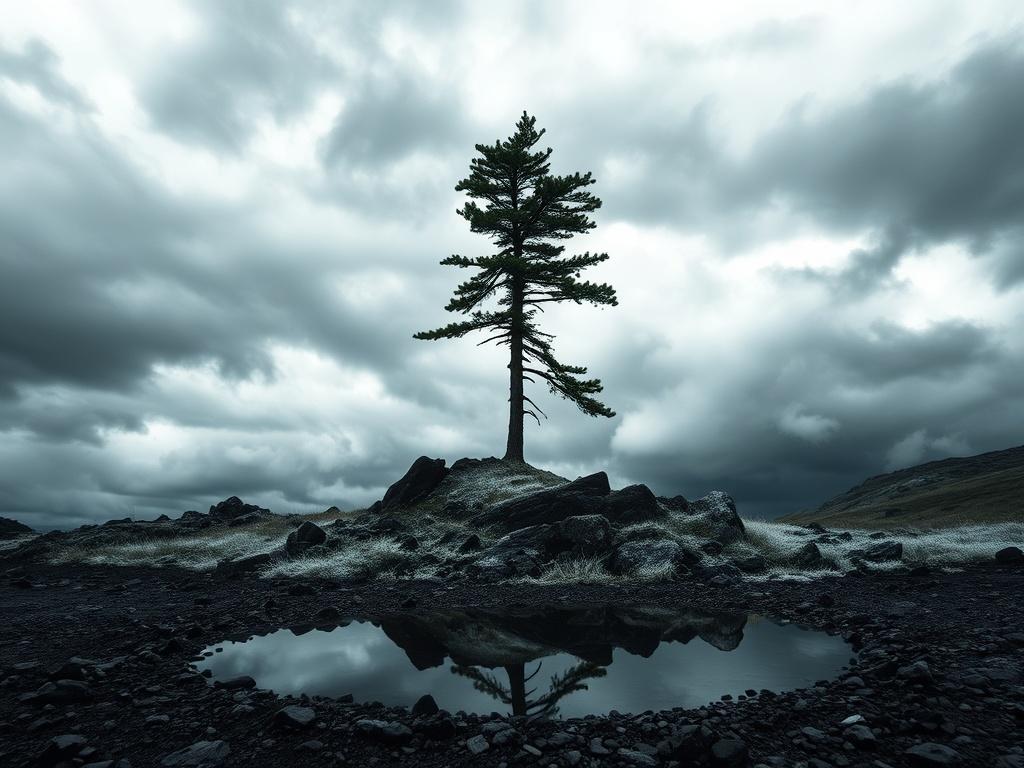
In this blog, Tove explores the profound impact of the Scandinavian landscape on storytelling, specifically within the realm of Nordic noir. The stark, wild beauty of the terrain serves not merely as a stunning backdrop but also as a compelling force that shapes the narratives emerging from this region. The long, dark winters and hauntingly beautiful fjords encapsulate a sense of isolation and fear, creating an atmosphere where tension and mystery thrive. As we delve into how these elements intertwine, we will uncover the allure of the Nordic landscape and its undeniable influence on writers and their stories.
The darkness that envelops Scandinavia during its lengthy winters takes on a life of its own, acting as a character that shapes both plot and character development in Nordic noir. Tove will illustrate how this enveloping gloom intensifies emotions and drives conflict, making characters confront their innermost fears and desires. As we navigate through the intricate relationship between landscape and narrative, we will discover strategies for embracing these shadows in our own writing, ultimately enriching our storytelling and deepening the atmospheric quality of our narratives.
The allure of the Scandinavian landscape: A backdrop for storytelling
The Scandinavian landscape, with its haunting fjords, vast forests, and long, shadowy winters, serves as a captivating backdrop for storytelling. This unique geography not only establishes the setting but also creates a mood that permeates the narrative. Writers often leverage the stark contrasts found in this region, bright, sunlit summers clashing with dark, oppressive winters, to amplify emotional tension. It’s in these striking landscapes that characters can find themselves grappling with inner demons, mirroring nature's unpredictability. As readers traverse these elegant descriptions of land, they can almost feel the chill of the air and hear the rustle of pine needles beneath their feet.
In Nordic noir, the allure of the Scandinavian landscape plays a crucial role in how stories unfold. The isolation inherent to many parts of this region invites feelings of both vulnerability and introspection. Writers can utilize this physical separation from bustling civilization to highlight the emotional isolation of their characters. By incorporating elements like the raw beauty of snow covered landscapes or the eerie stillness of a midnight sun, authors create a setting that becomes as much a part of the narrative as the characters themselves. The darkness of the Scandinavian landscape not only influences storytelling but also shapes the psychological landscapes of the characters navigating through it.
Darkness as a character: Shaping narratives in Nordic noir
In Nordic noir, darkness transcends mere setting; it becomes a pivotal character that impacts the plot and the lives of its inhabitants. The long, cold winters and extended hours of twilight create an oppressive atmosphere that mirrors internal conflicts and societal issues. Characters often grapple with their own demons, and the looming darkness outside reflects their struggles. Whether it be guilt, isolation, or moral ambiguity. This interplay between the physical landscape and emotional turmoil intensifies the narrative, as characters navigate not only their personal quests for truth but also the chilling hand of fate orchestrated by their surroundings.
Moreover, the darkness in Nordic noir often serves to reveal hidden truths that lurk beneath the surface. Shadows can conceal nefarious secrets, both in the landscape and within the characters themselves. As protagonists delve into their investigations, they frequently uncover layers of corruption and brutality that resonate with the bleakness of their environment. By incorporating darkness as an integral element of storytelling, writers can create a hauntingly immersive experience that draws readers into the depths of human behavior. The cold, stark beauty of the Scandinavian landscape, paired with its pervasive darkness, becomes a driving force behind the narrative, shaping events and illuminating the complexities of the human condition.
Embracing the shadows: How to harness the atmosphere of the north in your writing
As writers, we have the unique power to draw readers into a world shaped by the elements surrounding our characters. To truly embrace the atmosphere of the Nordic landscape, we can use vivid imagery and sensory details to evoke the chill of the air, the stillness of the snow, and the oppressive weight of endless darkness. Readers should feel the physical landscape as a living, breathing entity that influences the emotions and actions of characters. Consider employing detailed descriptions of the environment to mirror the characters' internal struggles, creating a profound connection between the narrative and the setting.
Moreover, immersing your characters in the darkness allows you to explore deeper psychological themes. Use the northern nights to amplify your characters' fears, secrets, and regrets, allowing the landscape to reflect their inner turmoil. Employ metaphors and similes that align the emotions of your characters with the harshness of the terrain. This approach not only enriches your storytelling but also transforms the Scandinavian darkness from mere backdrop into a compelling character that drives the plot forward, echoing the often unyielding nature of life itself in the unrelenting north.